“THE COUNTRY WHERE I WAS BORN…100% GREEK!”
Severe, prolonged droughts in Greece, particularly in 2024, have caused several lakes and reservoirs to shrink dramatically or dry up, exposing submerged landscapes. Major affected water bodies include Lake Picrolimni, Lake Doirani, the Mornos Reservoir, and historically, Lake Karla. These issues are impacting water supplies, agriculture, and local ecosystems.
Key Greek Lakes and Reservoirs Affected by Drought
- Lake Picrolimni (Northern Greece): This lake has completely dried up after two years without significant rain, turning into a cracked mudflat.
- Mornos Reservoir: As the main water supply for Athens, its water levels have dropped severely due to lack of rain and high temperatures, exposing the ruins of the submerged village of Kallio.
- Lake Doirani: Located on the border with North Macedonia, its shoreline has receded by hundreds of meters.
- Lake Karla (Thessaly): This lake was historically drained in 1962 to combat malaria. It was restored as a wetland in 2018, but is highly sensitive to fluctuating water levels.
- Lake Dystos (Evia): A shallow, often dry, lake that frequently faces issues with shrinking, affecting the surrounding marshlands.
- Lake Prespa: A 5-million-year-old lake in northern Greece, Albania, and North Macedonia, which is experiencing record low water levels.
Causes
- Prolonged Drought: Extremely low rainfall and snowfall over several years.
- Heatwaves: Record-breaking temperatures increasing evaporation.
- Water Management: Excessive use for irrigation and aging infrastructure
THE GREEK CITY OF ALEXANDRIA

“Congratulations on finding a beautiful Greek bride. I have done the same and have no regrets! Wishing the royal family a long and happy marriage!“
“WE WISH THEM GREAT SUCCESS FOR THEMSELVES AND FOR THE COUNTRY!”
PLEASE DON’T FORGET TO HELP THE GREEK PEOPLE!
“I WAS BORN ON THE ISLAND OF ZAKYTHONS.”
THE ANCIENT GREEKS LIVED IN HARMONY WITH NATURE AND DID NOT DESTROY IT!
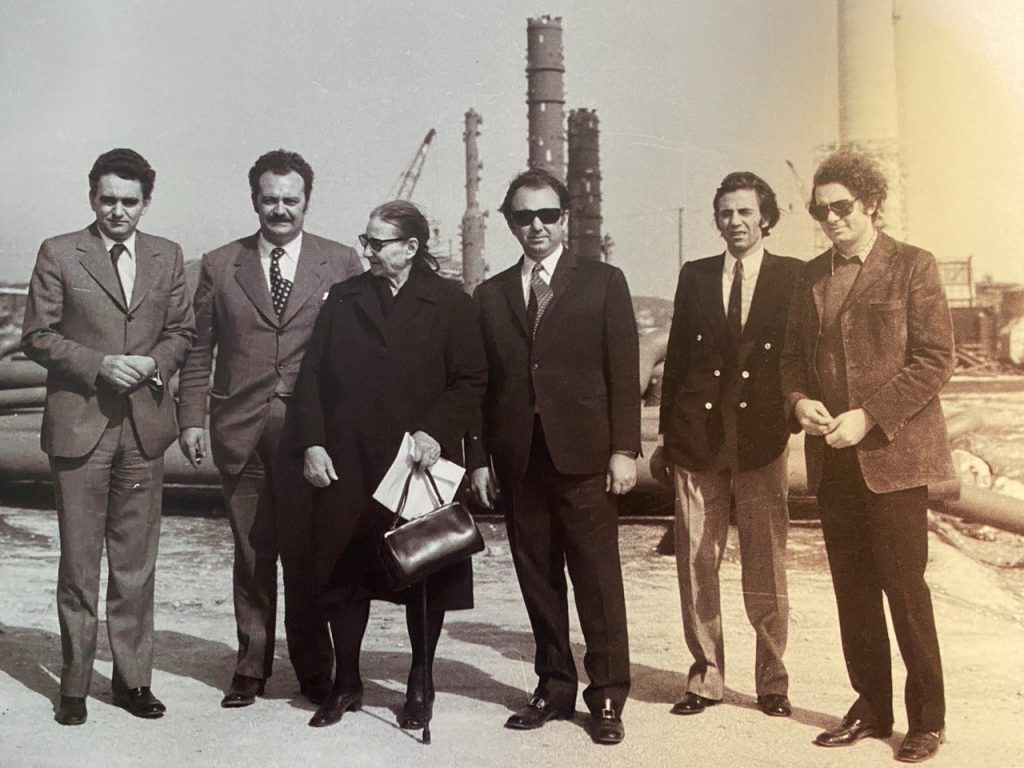
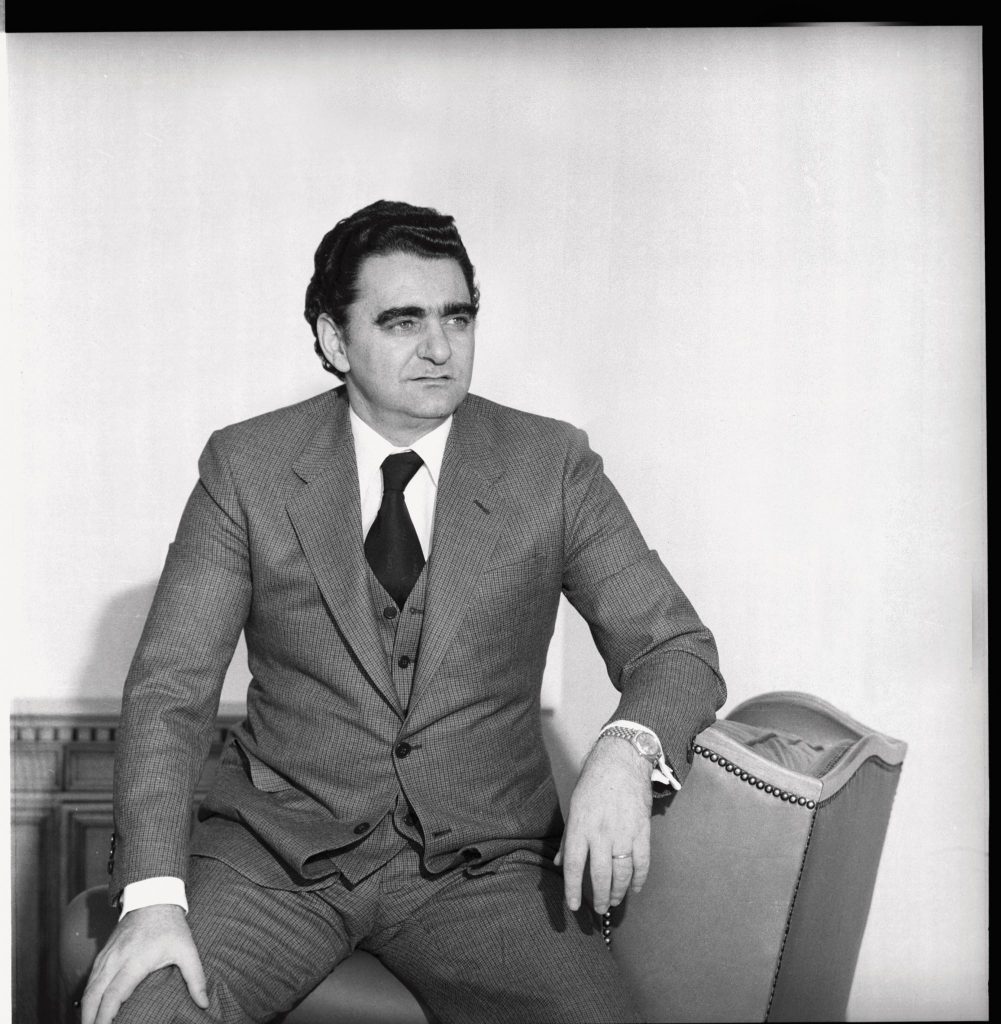
“Above is the well known Greek Shipping Magnate George P. Livanos.”